Pearl Collects Water Samples
- Jul 8
- 3 min read
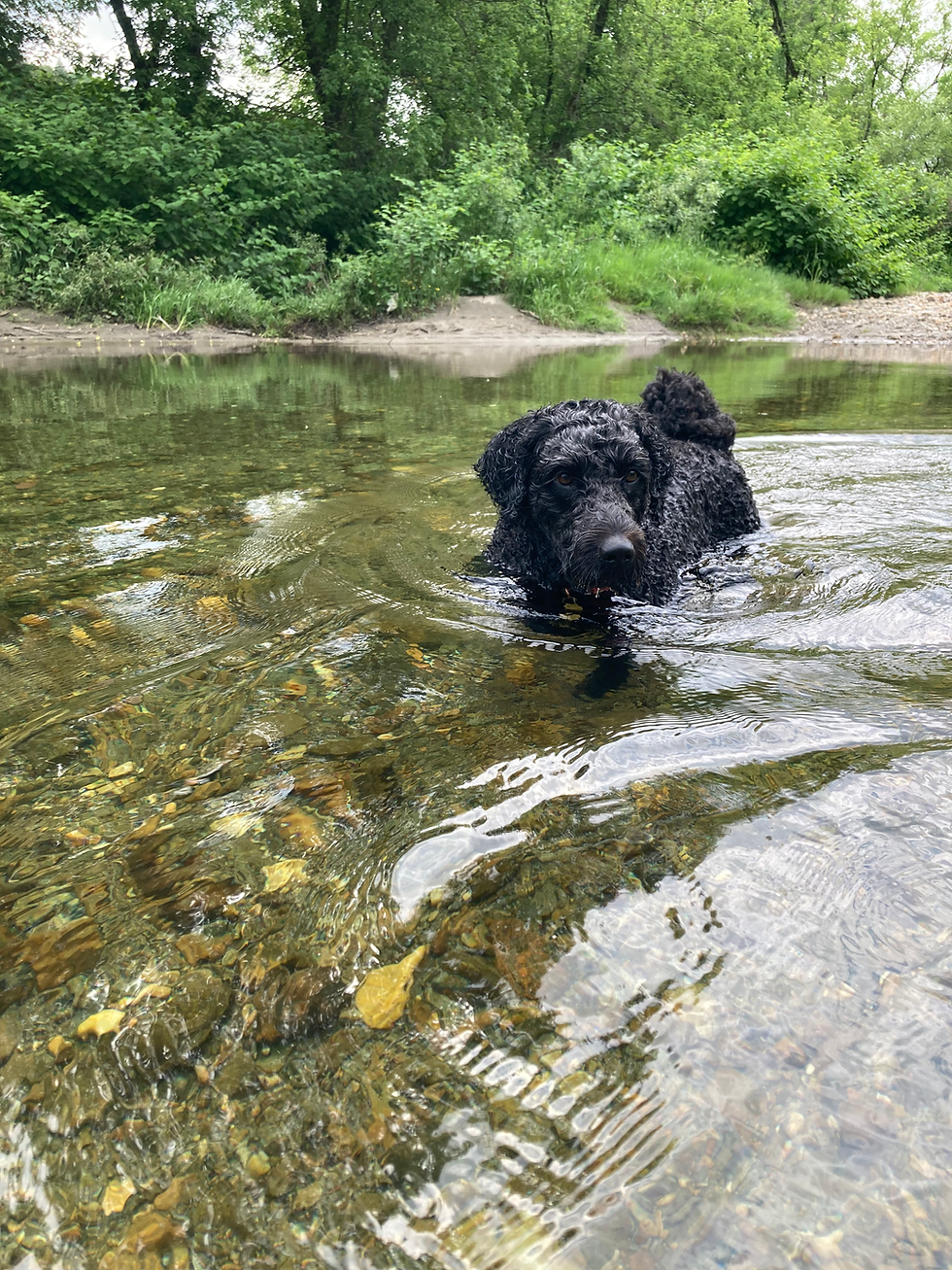
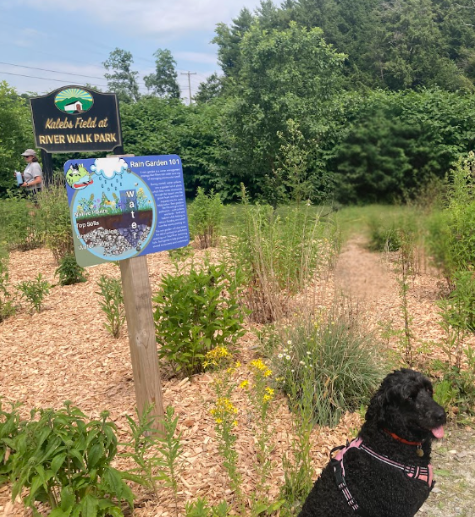
Pearl is back for yet another year of water sampling! This season, Pearl is sampling 17 sites across Enosburg, Richford, Westfield, North Troy, and Newport Center. She is collecting samples to test for nitrogen, phosphorus, and chloride levels in the river.

This water sampling is a part of the LaRosa Partnership Program and is run out of the Vermont Department of Environmental Conservation (DEC). This program collects
valuable data that may aid in the determination of specific problem areas on which to focus restoration efforts, and of whether past restoration efforts are working. The LaRosa Partnership Program is run throughout Vermont with dozens of partner organizations collecting samples across the states waterways.
The Missisquoi River Basin Association has been participating in this program since 2005 and has collected thousands of samples across 100+ sites. Some water sampling sites are sampled annually, some are completely new sites, and some are ones we revisit every few years.
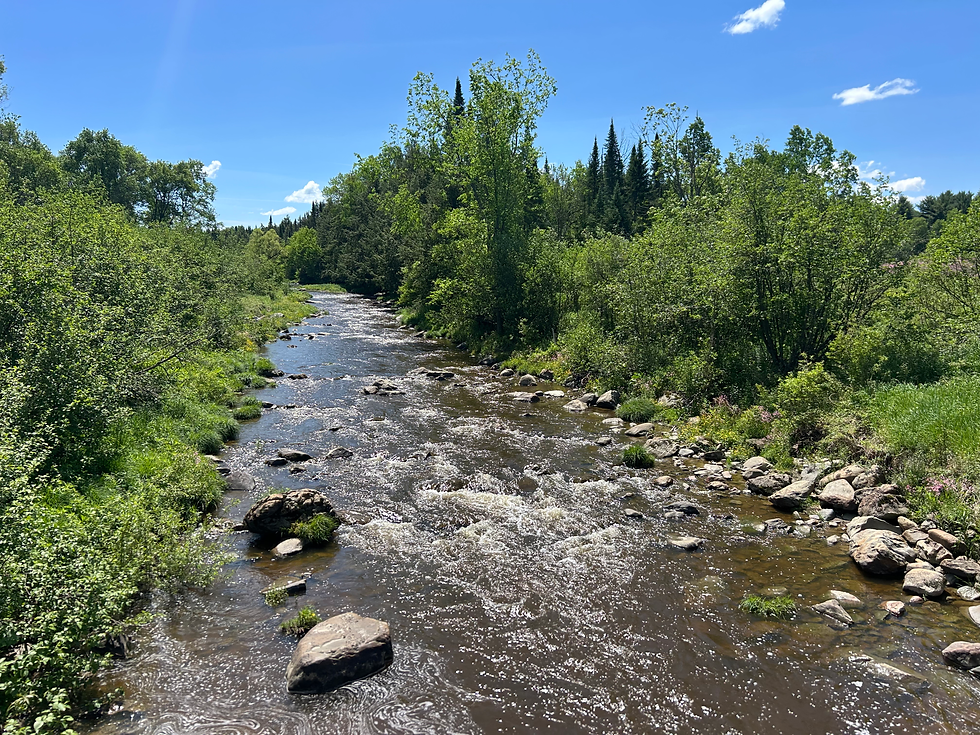
The Missisquoi River Basin Association has remained a longtime partner and supporter of the LaRosa Partnership Program as we understand that Missisquoi Bay contributes over 200 metric tons per year of non-point source phosphorous to Lake Champlain. Sampling helps track progress as we implement changes across our landscape aimed at curbing non-point source pollution. Sampling can give us a big picture to measure the cumulative success of our efforts and the results inform decisions about where to direct efforts.
Nitrogen, chloride, and phosphorus effect our rivers in different ways.
Excess nitrogen from agricultural fertilizers, livestock waste, and wastewater treatment can cause overstimulation of growth of aquatic plants and algae. Excessive growth of these organisms, in turn, can clog water intakes, use up dissolved oxygen as they decompose, and block light to deeper waters.
Chloride occurs naturally in rivers at concentrations typically below 100 ppm. However, human activities, primarily road salts, agricultural fertilizers, and industrial wastewater have caused chloride levels to spike significantly in urban and snow prone watersheds (such as the Missisquoi).
Much like nitrogen, phosphorus is an essential nutrient for plant growth, but large amounts of phosphorus in rivers accelerate eutrophication, which causes harmful algal blooms, depletes oxygen levels, and destroys aquatic habitats. Most excess phosphorus enters waterways via surface runoff from agricultural fertilizers, manure, and municipal or industrial wastewater.
The Missisquoi River empties out at Missisquoi Bay in Swanton. This is where the effects of the increased levels of phosphorus can be seen in the form of algal blooms.
Before going water sampling, Pearl checks the weather to ensure it will not thunder storm on her or be excessively hot and sunny. After knowing the conditions for the day, Pearl encourages her collogues to wear long pants, work boots, a hat, and to layer up with sunscreen and bug spray. Once the water sample bottles are labeled accordingly and packed into a cooler along with some cold drinks and lunch, Pearl can set out to start the day!
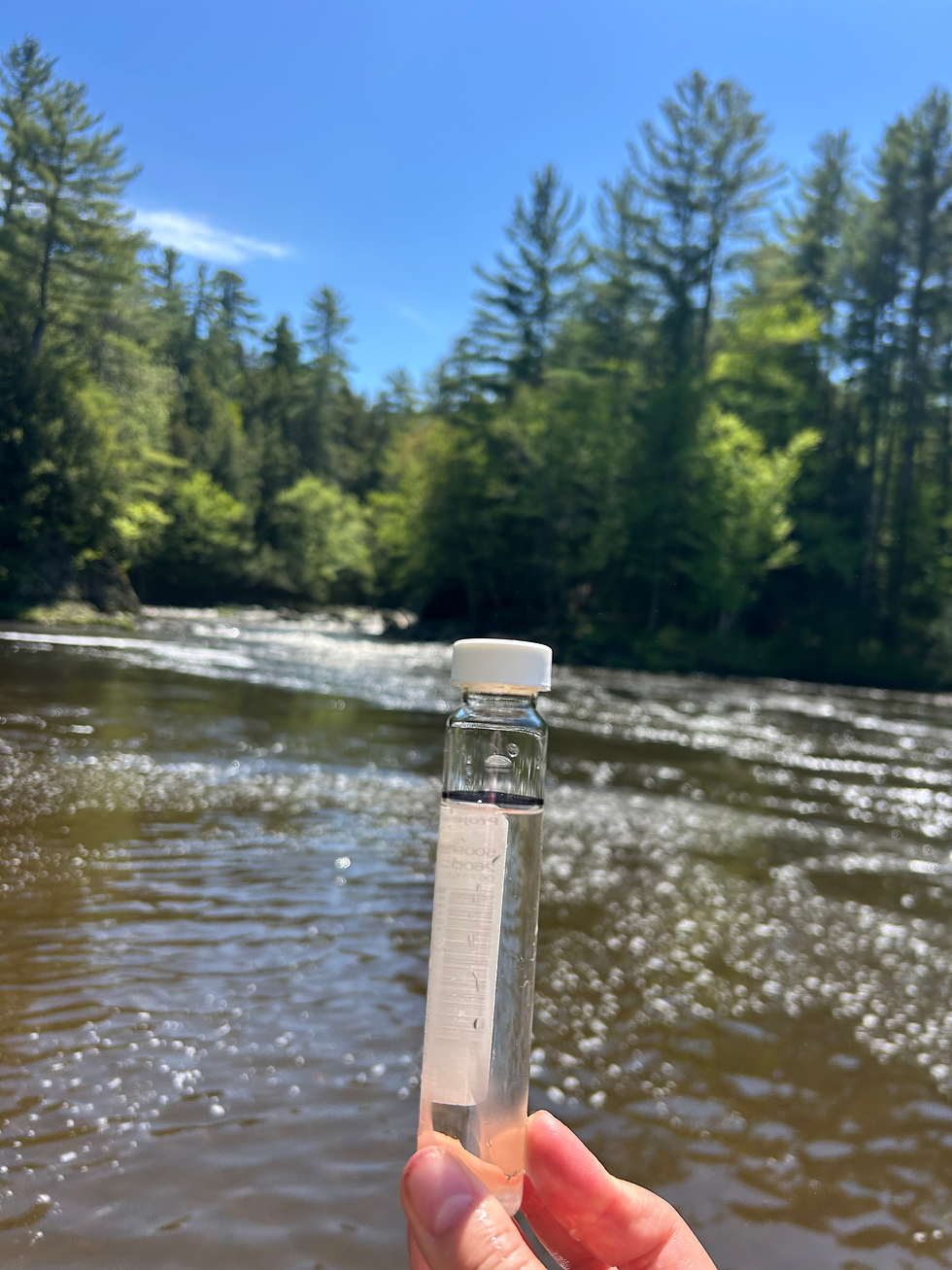
While sampling, Pearl has her rout mapped out and ensures she parks the car in safe locations when she gets out to sample. Pearl has come across a painted turtle, snakes, fast moving waters, low water level streams, and community members enjoying a dip in the river. You never know where a day in the field might take you!
After all 17 water samples and any duplicates are collected, Pearl heads back to the MRBA office. Once there, the nitrogen samples are acidified to preserve them and all the samples make their way to the fridge until they are picked up my the LaRosa program.
Water sampling is not always as easy as walking into the streams and collecting samples. A full day is spent driving around the watershed with some days being hot with the blistering sun beating down on you and other days the sky is covered with clouds and may be cold and rainy. Sometimes it requires climbing over fences and scaling down river banks with the hope that you do not slip and fall.
One thing is certain, Pearl will continue to be out and about in the watershed collecting samples, jumping in the water, running through fields, and chomping on some grass. This year we also have our two AmeriCorps members Ruby and Natalie sampling and they are having a great time as well!
Follow along on our social media @mrbavt to see our water sampling and field work journey!